Medical Laboratory Technician(MLT)
(Medical Laboratory Technology) is a 1-year professional diploma program designed to train students in laboratory procedures, diagnostic techniques, lab equipment handling, and medical testing skills essential in healthcare.
Course Overview
- Course Name: Medical Laboratory Technology (MLT)
- Duration: 1 Years
- Type: Diploma / Paramedical
- Mode: Regular (practical-focused)
- Industry: Healthcare & Diagnostics
Eligibility Criteria
Academic Requirements
- Passed 10+2 from a recognized board
- Stream accepted:
- Science
- Arts
- Commerce
Age Requirement
- Minimum 16 years
Why Choose MLT?
- Strong job demand in hospitals, labs, diagnostic centers
- Practical and skill-oriented course
- Quick entry into healthcare sector
- High job security
- Ideal stepping stone for BMLT, Pathology, Radiology, Microbiology, Biotechnology and more
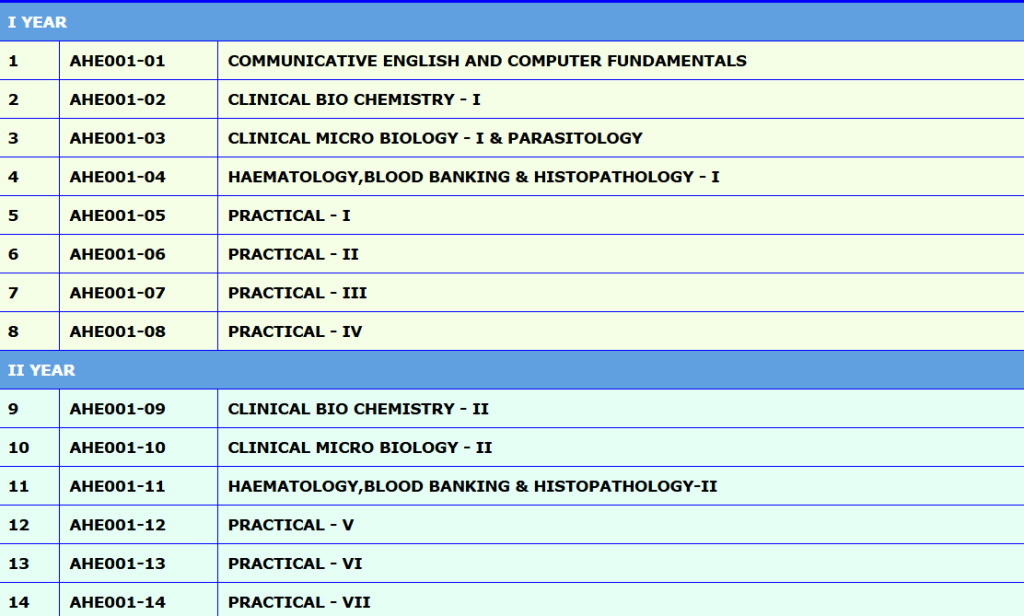
Course Curriculum
Career Opportunities
MLT graduates can work in:
- Private & Government Hospitals
- Diagnostic Laboratories
- Blood Banks
- Research Labs
- Public Health Departments
- IVF Centers
- Nursing Homes
- Pathology Labs
Growth Path After MLT
Students can upgrade through:
- BMLT (Bachelor in MLT)
- BSc Microbiology
- BSc Biotechnology
- BSc Radiology
- BSc Operation Theatre Technology
- PG Diploma in Pathology / Lab Tech
Or shift to management:
- Hospital Administration
- Healthcare Management
MLT is one of the fastest-growing healthcare careers. With just 2 years of training, you can work in hospitals, labs, and diagnostic centers with good salary and career growth. The course is practical-based and ensures job security in the medical field.
- Job-oriented course
- Safe, stable, healthcare-sector profession
- Strong career demand
- Affordable compared to other medical courses
- Hands-on lab work
- Quick employment
- Opportunity to grow into advanced medical fields
- High respect & dignity in hospitals
Training & Internship
- Mandatory internship in hospitals / labs
- Hands-on training in sample collection, testing, equipment handling
- Exposure to real-time diagnostics